

Bariatric Mobility Equipment
Bariatric mobility equipment is designed to securely support individuals with a greater weight capacity. These specialised aids use more stability for overweight patients, assisting them remain mobile and active.
Healthcare facilities need to know the unique requirements of bariatric equipment and understand how to assess its safety functions. This article will examine the kinds of bariatric equipment readily available and recommend best practices for assessing this client handling equipment before buying.
Wheelchairs
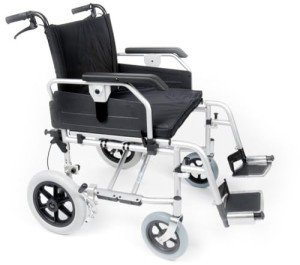
Bariatric wheelchairs are specialised mobility aids developed to support people who can't or have problem strolling due to their weight or health conditions. They're similar to basic wheelchairs, but they can securely support greater weight capabilities and have broader seats to accommodate a large range of physique.
In addition to being created to support much heavier weights, bariatric wheelchairs are usually made with enhanced heavy-duty frames and extra padding to produce a comfy seating solution that helps users restore their independence. These features guarantee that individuals who use them can leave your home and circumnavigate with self-confidence, comfort and safety.
A variety of various configurations and changes are available to personalize a bariatric wheelchair, including seat measurements, height and seat angle, leg rests, footplates, front caster outriggers and adjustable backrests. Additional accessories such as mudguards, head and armrest covers, drink holders, tablet holder and trays are also often fitted.
All significant ranges of wheelchair can be highly tailored for users, depending on their needs and use. For instance, some wheelchairs can be easily changed by a healthcare professional to meet particular physiognomic requirements, while others are more extremely customizable and feature adjustable components such as the rear axle position, postural assistance settings and the ability to add additional padded areas to the chair.
Wheelchairs can be utilized by people living separately or getting home health care, however they can also help those with a more long-term or long-lasting impairment. For many individuals, a bariatric wheelchair is the only way to remain mobile and lead a dignified and fulfilling life. Picking the right wheelchair is a choice that should be taken with care, and it's recommended to visit an experienced mobility professional such as Broda to go over the options readily available.
Stretchers & & Carts
Bariatric stretchers and carts make moving larger patients simpler. They have wider frames and greater weight capabilities than standard health center movers, with strengthened handles to avoid worker strain. They likewise have battery-powered hydraulics that allow personnel to raise and decrease the client without manually raising or lowering them, reducing the risk of back injuries. Some have expandable wings to ease body placing throughout cleansing or surgery preparation, and others have a reclining back-rest to increase comfort.
The ability to lift and move larger clients safely and easily improves the quality of care provided by healthcare professionals. It decreases the number of patient transfers and permits caregivers to concentrate on medical tasks versus physical maneuvers. It can also support self-respect for bariatric patients who may otherwise feel susceptible or embarrassed to need the assistance of others. Bariatric equipment likewise helps lessen handling injuries and other expensive healthcare issues.
There are bariatric aids My Mobility Scooters of a stretcher trolley cart, and picking the best design for your center depends on space considerations, available budget plan, and desired features. Options include hydraulic carts with motorized height change that improve patient benefit and caretaker ergonomics, and manual models for environments where electrical power or hydraulic systems aren't offered.
Choosing a quality bariatric transport stretcher or cart from a relied on name brand name like Stryker, Hausted, Hill-Rom, Pedigo, or Gendron makes sure a durable and reliable item that fulfills your center's needs. Ask your supplier to recommend a design that fits your particular requirements, and make sure to examine that the cart can be used with all docking stretcher heads. This ensures you get the best value and versatility from your financial investment.
Ceiling Lifts
Overweight clients present special obstacles for caregivers since their increased mass requires specific equipment to safely move them from location to place. Bariatric mobility aids like ceiling lifts allow these people to rise and move about their environment with greater ease, promoting self-reliance and dignity.
Selecting the ideal ceiling lift for your center depends upon the specific needs of your care team and client. Consideration ought to include the person's weight and mobility levels, and the environments where she or he will be using the lift. For example, if you will be moving the patient from room to room within your facility, a repaired ceiling lift system is a better choice than a portable one, as it offers higher lifting capacities and stability.
A ceiling lift system includes a motor unit installed in the ceiling in addition to a track that extends over a location, such as a bedroom or restroom. A person is lifted from a chair or bed utilizing straps connected to the ceiling lift. Caretakers control the motor and motion of the lift via a portable pendant.
The Guldmann range of ceiling lifts for bariatric people supports transfers, rearranging, and health treatments in a dignified and mild way, enabling individuals to be transported in a comfy position with the minimum of effort. The lifting capacity of the ceiling lift is likewise essential - it's suggested that a bariatric lift be utilized for clients whose weight is above traditional lift limitations, as these are developed to support a larger load.
Caregiving personnel ought to receive training in the operation of this equipment to ensure a smooth and safe transfer process. Make sure to follow recognized cleaning practices for lift slings, including disinfection and laundering temperature levels and cycles. In addition, developing wall-mounted hooks in bariatric spaces to hang the slings between uses can help in reducing potential contamination and infection.
Flooring Lifts
Bariatric floor raises provide the safety, performance, and versatility that caregivers require to support obese patients with a variety of mobility needs. These motorised units cradle and lift individuals up to 1000 lbs, with caretakers managing the movement and height using handheld pendants. They usually feature a U-shaped base with a vertical supporting mast and an overhead mechanical arm (boom) that extends horizontally. Completion of the boom includes a spreader bar with hooks or clips to accept a full-body sling.
These specialised mobile lifts allow users to safely transfer between various components, including bed, wheelchair, and commode. This versatility likewise assists to minimize physical needs on personnel, promoting much safer handling and decreasing the danger of musculoskeletal injuries for both customers and caregivers.
In addition to incorporating safe handling techniques, center managers can help prevent musculoskeletal injuries by ensuring equipment is appropriately preserved and stored. This includes routinely checking and cleaning up bariatric lifts to ensure they work properly, in addition to teaching personnel the very best practices for running slings and lifting mechanisms.
Educating both personnel and users on the proper usage of bariatric equipment promotes the health, comfort, and independence of obese individuals. With regular abilities practice, excellent body mechanics become force of habit for everybody included, minimizing the danger of injury throughout transports and day-to-day care activities. Routine training sessions can be particularly important for new or short-lived employees, and it's a great concept to include hands-on session up until efficiency is validated. Devoted staff training also helps to reinforce the principles of Safe Patient Handling, which are created to secure both clients and caretakers throughout transfers.
Walkers
Bariatric walkers are a type of strolling frame with two or 4 wheels. They are usually used to assist people with mobility problems navigate, and they can be a helpful option to a wheelchair. Walkers are recommended for individuals who have had recent leg or hip surgical treatment, those with mild balance issues and others who can not fully support their weight by themselves.
Bariatric walker frames are developed to accommodate much heavier users and feature big wheels that can move on unequal surfaces. Lots of are also equipped with a seat and trays for bring items. Some designs are lightweight and made with a metal or aluminum frame to resist breaking under heavy usage. Others are constructed from plastic or a soft product like foam to minimize the pressure on hands and wrists. Some are equipped with hand grips that are adjustable in height. These can be changed with softer or larger grips that are more comfy for the user.
Many modern-day walkers are developed to fold down when not in use. This makes them easier to store in a closet, under a bed or other isolated location. When they are required once again, they can be quickly unfolded to start using. Some bariatric walkers are even motorized, making it much easier to maneuver and transport over longer ranges.
No matter which kind of walker is picked, it is essential to understand how to appropriately utilize the gadget. It is important to keep the walker upright as you move, and avoid strolling behind it. Rather, step into it with your great leg initially, then bring the hurt or weaker leg forward. When it comes time to climb a set of stairs, the walker must be raised or pressed up onto the steps while leaning into it for assistance.